
Small Land Clearing

Clearing Overgrown Land Before Work Begins
Small land clearing in Cadet for brush, overgrown vegetation, and debris removal on residential and rural properties
Rural and semi-rural properties in the Cadet area often sit on land that has seen decades of unchecked growth — cedar saplings, invasive shrubs, bramble thickets, and storm-dropped debris that accumulate on lots where tree lines push close to usable yard space. Direct Contractors, LLC provides small land clearing services that address exactly this kind of overgrowth, removing brush, small trees, and unwanted vegetation so the ground beneath is workable again. Homeowners preparing a site for landscaping, fence installation, a garden expansion, or simply reclaiming yard space that has been overtaken are the most common candidates for this work.
The clearing process involves assessing what needs to come out and what should stay, then working through the vegetation in a sequence that avoids disturbing root systems or soil structure unnecessarily. Brush and small trees are cut, pulled, and removed rather than simply pushed to the side — a distinction that matters when the cleared area will be used for planting, grading, or construction shortly after. Debris is hauled away rather than burned or left to decompose in place, leaving the surface ready for whatever phase of work follows.
Arrange an on-site look at your property to identify what needs to be removed and what the cleared area will be used for.
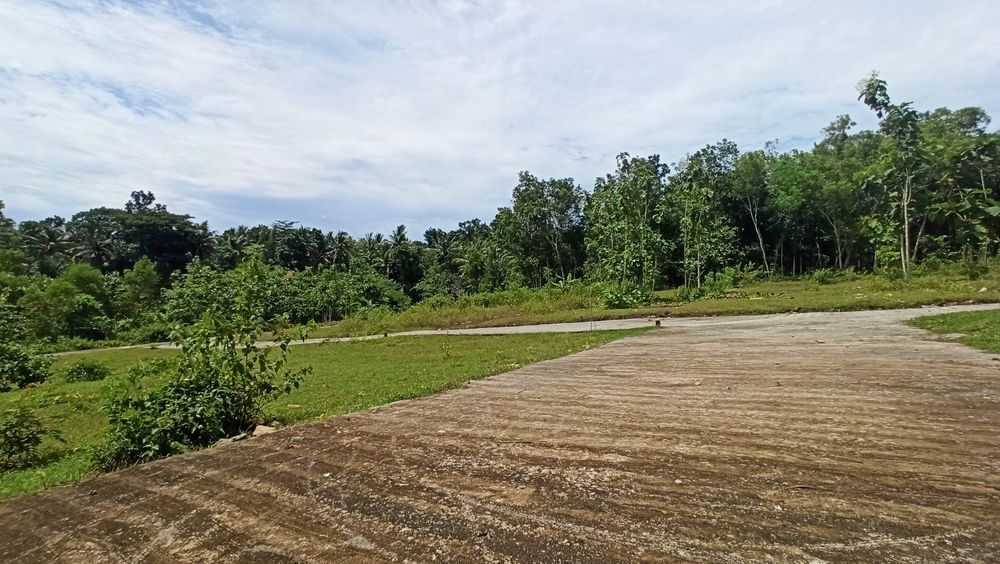
What Proper Land Clearing Actually Requires
Effective small land clearing is not just cutting — it involves root removal on anything that will resprout, stump grinding or grinding-level cutting on small trees, and attention to what runs beneath the surface before equipment moves through. On rural acreage common to Washington County and the surrounding region, buried fence lines, old drainage tiles, and property corners can all be obscured by years of overgrowth, and identifying these before the work starts prevents damage and rework. The approach Direct Contractors, LLC takes accounts for what the land will be used for after clearing, since a site being prepped for gravel or hardscape has different tolerance for root and stump remnants than one being seeded or sodded.
Once clearing is complete, you will notice a significantly different property: fence lines become visible again, natural grade becomes apparent, and areas that were inaccessible on foot become workable. The removal of dense brush also eliminates the harborage cover that makes overgrown areas difficult to use and maintain, reducing ongoing maintenance pressure on those sections of the property.
The scope of small land clearing can vary depending on density, slope, and what the underlying ground will need to support — a flat yard with scattered saplings clears faster and more simply than a hillside with established multi-stem shrubs and tangled root systems. Understanding the end use upfront is what determines the right clearing depth and debris removal method for each job.
Common Questions About Land Clearing Work
Properties in and around Cadet vary considerably — some are suburban lots with hedgerow overgrowth, others are rural parcels with years of untouched tree line. The questions below address how small land clearing actually works across those conditions.
What is the difference between brush removal and full land clearing?
Brush removal targets surface-level vegetation — vines, shrubs, tall grass, and small saplings — without addressing stumps or deep root systems. Full clearing goes further, removing stumps and root mass so the ground can be graded, built on, or planted without regrowth interference; the right scope depends on what you plan to do with the space afterward.
How is debris handled after clearing is complete?
Cut material, pulled root systems, and loose debris are loaded and hauled away from the property rather than piled on site, which matters when you need the cleared area to be immediately accessible for the next phase of work.
What should you do to prepare your property before the crew arrives?
Walking the boundary of the area to be cleared and noting any buried lines, old fence posts, or drainage features helps the crew avoid striking them during equipment operation — this is especially relevant on older rural parcels in Washington County where historic improvements may not be mapped.
Why does the intended use of the cleared area affect how the work is done?
A site being prepared for gravel, pavers, or a structure requires stump removal and root grinding below grade, while a site being seeded may only need stumps cut flush to soil level; knowing the end use before starting prevents having to revisit the site for additional work.
What does cleared land actually look like once the work is finished?
The surface should be free of standing vegetation, downed material, and cut debris, with the natural grade of the soil visible and accessible — you should be able to walk the entire cleared area without obstruction and see clearly where the ground rises or falls.
Direct Contractors, LLC also provides small land clearing services in Hillsboro, Herculaneum, and Farmington. To move forward, request a property walkthrough so the scope and sequence of clearing can be assessed based on what is actually on your land.